Convoluted foam, or why the egg-crate shape matters
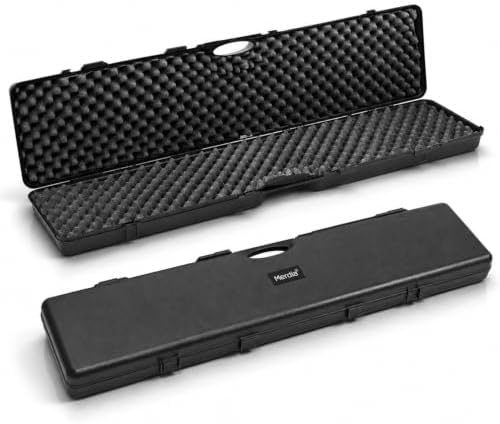
The gray egg-crate foam inside a hard rifle case looks like packaging. It is closer to a tool: the peaks and valleys do specific work, and knowing what that work is changes how you pack.
Peaks grip, valleys give
Flat foam pushes back evenly, which lets a long object skate across it on a bumpy road. Convoluted foam meets the load with dozens of peaks that compress at different depths, so it settles into the valleys and stays where it settled. The point is a surface that shapes itself around the load instead of pushing back at it.
Two layers, one sandwich
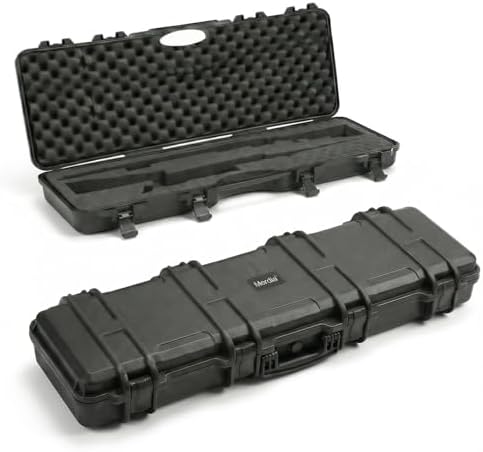
Our cases pair a convoluted lid layer with a base layer. The load sits in the base; closing the lid compresses the peaks over the top until nothing has room to move. If you can close the case and hear the contents when you tilt it, the sandwich is too loose. Add a flat scrap of foam under the base layer rather than cramming in cloth, which shifts.
What foam will not fix
Foam holds position; it does not make a case airtight, and it adds nothing to what the shell can survive. Solvents, oils and loose ammunition belong in their own sealed containers, not against the foam. And foam ages: after years of the same shape in the same dent, the peaks stop springing back, which is the sign to flip the layer or replace it.
Latches, hinges and the padlock eye
A hard case earns its keep at the latches. Ours snap over a lip so a drop cannot spring them, and the through-holes take small padlocks. Locked, the case deters casual access and keeps curious hands out; it is not a rated safe, and where the law where you live sets storage rules, the case does not replace them.
The tilt test
Pack the case, close it, tilt it slowly end to end beside your ear. Silence means the foam is doing its work. Anything else means a gap, and a gap on a shelf becomes a scratch in a truck bed and a rattle on a stairwell. Thirty seconds now is the cheapest care a case ever gets.