How to pin a brooch so it sits flat
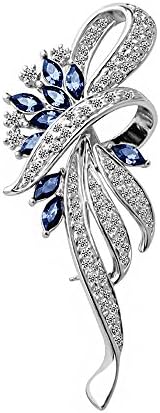
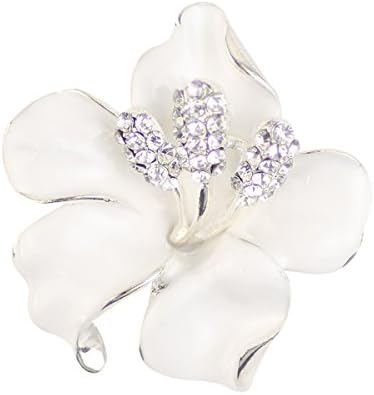
A brooch that flops forward reads as an accident. The fix is rarely the brooch itself; it is where the pin goes through and what the cloth underneath is doing.
Start with the fabric, not the flower
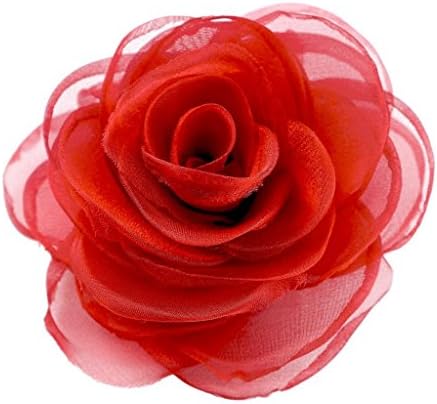
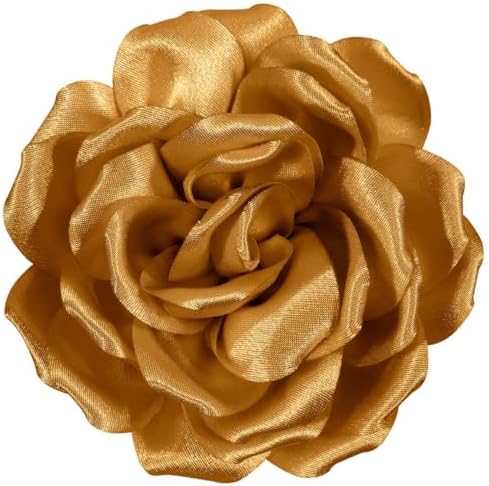
A single layer of shirt cotton will sag under a silk rose before you reach the door. Pin through two layers where you can: a lapel and its facing, a coat front and its lining, the doubled band of a hat. On a thin blouse, back the spot with a second scrap of cloth on the inside; nobody sees it and the flower stops nodding.
Angle the pin across the pull
Weight drags a brooch straight down, so a vertical pin lets it rotate. Run the pin horizontally, or a few degrees off horizontal, and the cloth carries the weight along the whole length of the bar. Big blooms sit best slightly tilted, stem end down, the way a cut flower would lean in a jacket pocket.
Check the catch before you trust it
Most of our pins close with a rollover clasp: the bar drops into a hook and a small collar turns over it. Turn the collar until you feel it seat. A clasp that spins with no resistance has been forced open at some point and wants a gentle squeeze with flat pliers before it earns a place on a coat again.
Coming off matters as much as going on
Open the clasp fully, then back the pin out along the line it entered. Pulling a closed or half-open pin through cloth is how threads get dragged and silk gets snagged. If a pin resists, stop and find out why; the answer is usually a thread wrapped around the tip, and it costs a second to unwind.
The one-mirror test
Pin it, then raise both arms and turn once in front of a mirror. If the flower stays put through that, it will stay put through an evening. If it swings, move the pin up a finger width and try again; height, more often than tightness, is what settles a brooch.