925, 990, 999: what the stamp on a bangle says
Three numbers cover almost every silver piece we make. They are parts per thousand: how much of the metal is actually silver. The rest of the story follows from that one figure.
Parts per thousand, nothing fancier
A 925 stamp means 925 parts silver in 1000, the alloy the trade calls sterling; the balance is mostly copper, added for stiffness. 990 and 999 push the content close to pure. The grades are different recipes for different jobs, not ranks on a ladder.
Where the stamp hides
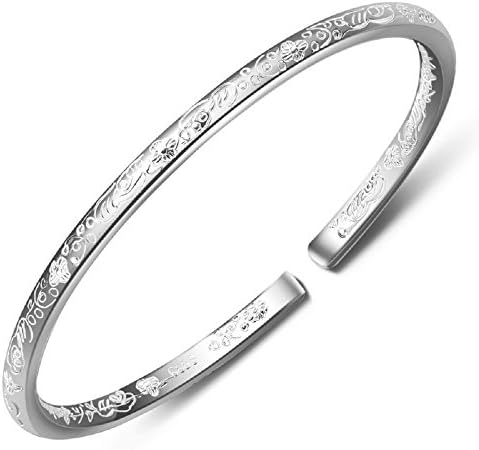
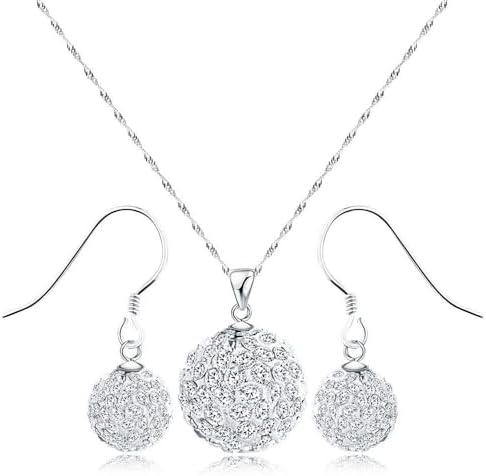
On a bangle, look inside the band, near the opening if it is an open cuff. On a pendant, check the bail, the small loop the chain runs through. Earrings carry it on the post when there is room. The stamp is struck small on purpose; a loupe or a phone camera at full zoom reads it in a second.
Why the purest silver bends
Fine silver at 990 or 999 is soft. That is not a defect; it is why an open cuff in fine silver can be eased a little to fit a wrist and eased back. Sterling at 925 trades some of that give for spring and edge, which suits clasps, thin chains and anything with a mechanism.
What the stamp cannot tell you
It says nothing about weight, wall thickness or how the piece was finished. It also speaks only for stamped solid silver: a plated piece of base metal carries no honest number at all. Our cards name the grade next to the material line, so the stamp on the metal and the words on the card should agree.
Match the stamp to the job
Buying a cuff you want to adjust once and forget, look for 990 or 999. Buying a clasp bracelet for daily wear, sterling at 925 is the harder-working alloy. The number is not a score to maximize; it is a note about how the metal behaves.